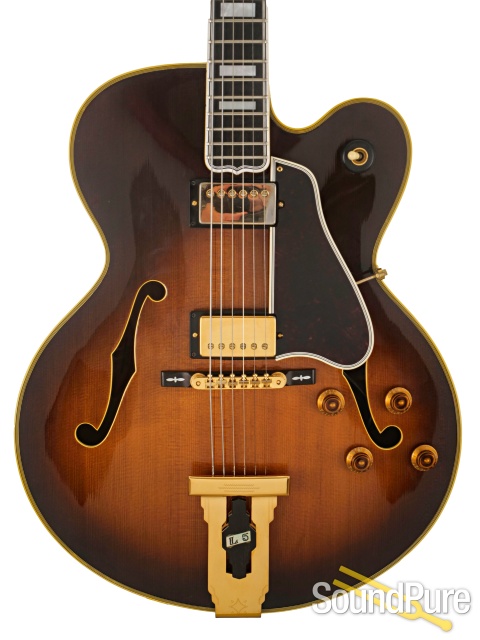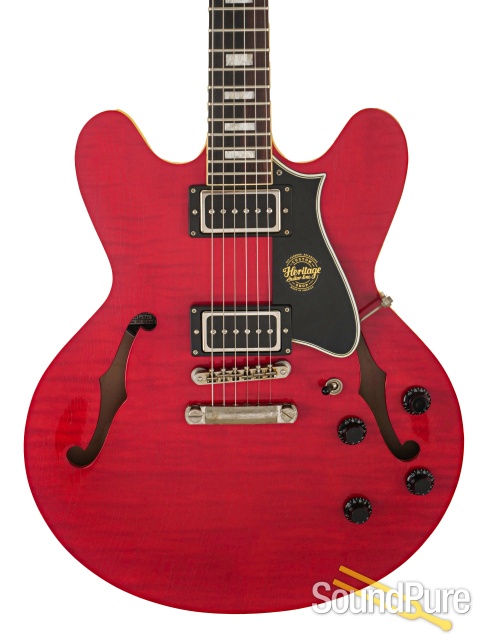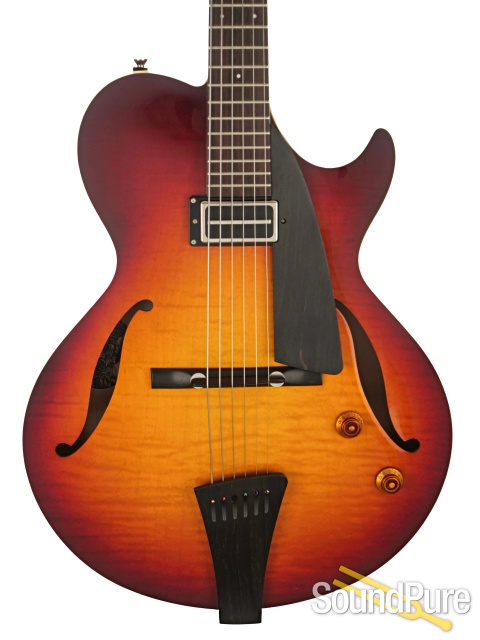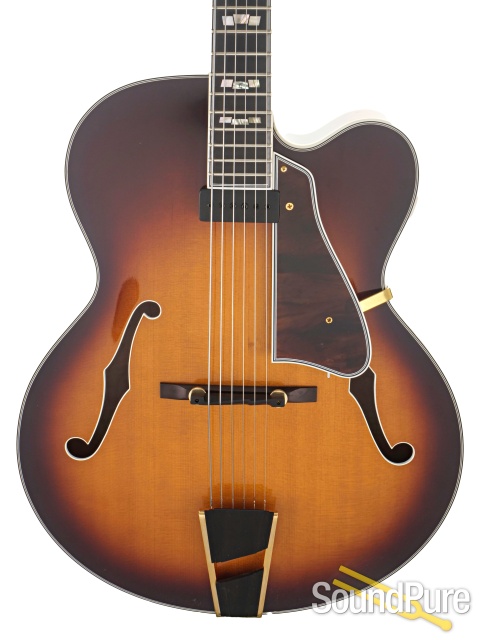
Sound Pure's Take


What can we say? 

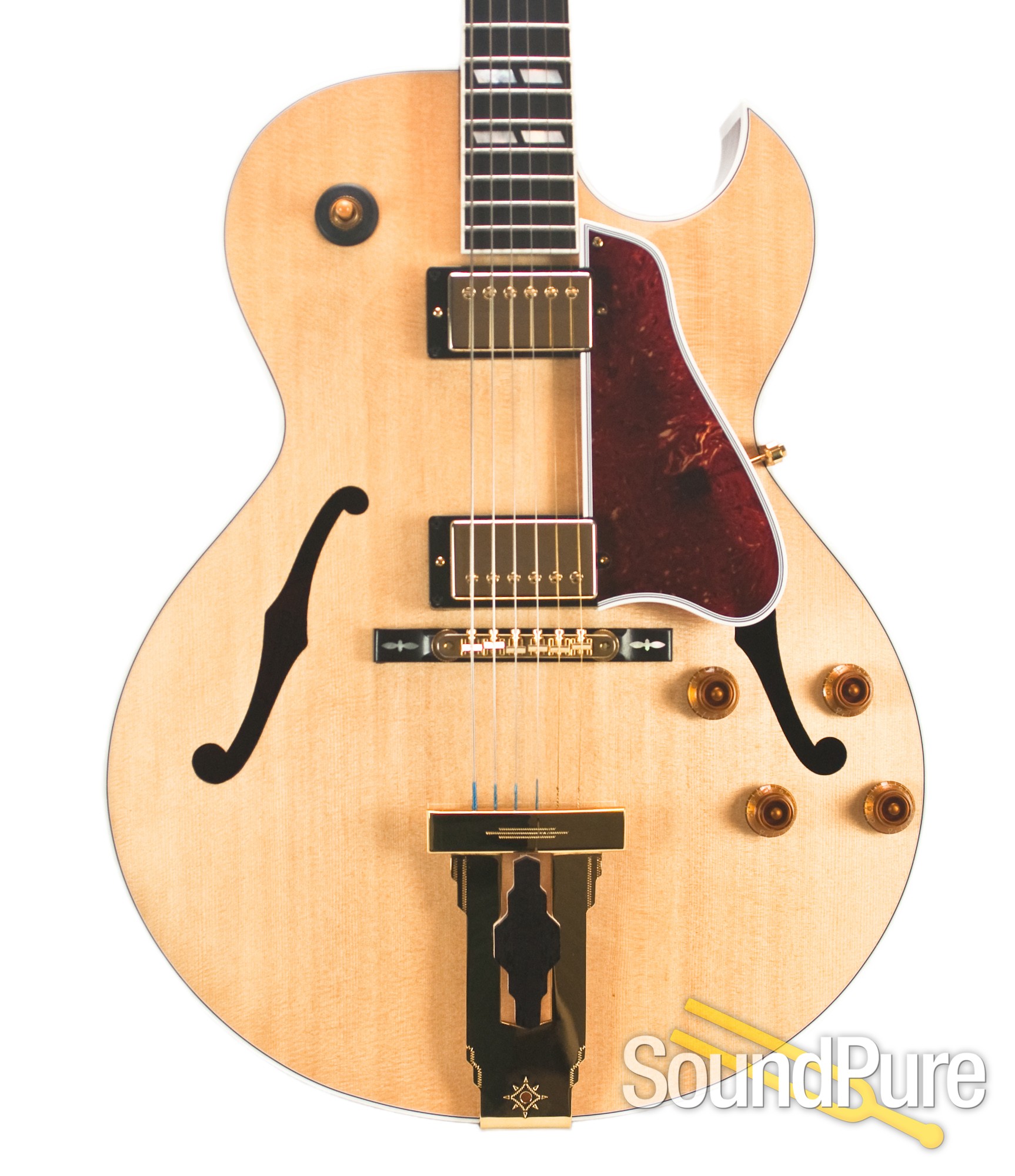
This is an American classic 

Musically, we owe this instrument a great debt 

But all it really wants is to remain a part of the landscape 

And with tone and looks like this that won't be hard

It's mellow, warm, woody, and wise 

Playing it is like putting on an old Jazz record that's been remastered for modern ears

A joy in every sense, this is a guitar to grow old with. . .or stay young with ;) 

Truly one of the masterful Gibsons we've ever gotten in

Look for the Crimson label and you're bound to get a "good one"

Condition: Used, Excellent


From Gibson Guitars

The Gibson L-4 archtop became jazz’s greatest rhythm instrument in the hands of six-string innovators like the virtuoso Eddie Lang in the 1920s and assured the company’s dominance of the guitar market even before the outbreak of World War I. But the L-4’s story - how it evolved from an acoustic guitar to the dynamic L-4 CES Mahogany Archtop of today - is perhaps the best illustration of Gibson’s historic dedication to endlessly refining and improving instruments that are already world class.
 
The L-4 was developed as a louder, bolder update of Gibson’s popular L-1 and L-3 designs, advertised as a “grand concert size” model with 20 frets, one more than its predecessors. The L-4’s top changed radically in 1935 when, under the direction of the company’s famed designer Lloyd Loar, the round sound hole was replaced by a pair of f-holes to enhance tone and projection. During the ‘40s, many elements were added including crown pegheads and parallelogram inlays on its fingerboard, but the biggest innovation in the guitar’s design came in 1949 with electrification.
 
 
To meet the demands of the dawn of popular music’s electric age, Gibson first created the laminated top ES-175 in 1948 based on the construction of the acoustic carved top L-4. But players still wanted a genuine electric full-bodied L-4 with a carved top. The first wave of these guitars were built in small batches throughout the 1950s, but were perfected late in the decade. Along the way the guitar’s body traded its rounded edges for a single cutaway horn to allow easier access to the high notes – a sign of the L-4’s evolution from rhythm to lead-and-rhythm instrument. Finally, in 1958, the design reached a pinnacle with a run of 20 guitars bearing the Gibson L-4 CES name. Some had Charlie Christian pickups, others Alnicos, and a few sported humbuckers. Over time the humbuckers proved the most versatile and practical, and thus today’s graceful mahogany L-4 CES model reached maturity.

2014

Serial Number: 10064001

Solid Carved Spruce Top

Solid Mahogany Back and Sides

16" Wide

20" Long

3 3/8th" Deep

24 3/4" Scale

1 11/16th Nut Width 

20 Fret Ebony Board

Gold Hardware

'57 Classic Humbuckers 


Warranty

This item is sold without the Sound Pure 3-year warranty (used / B-stock / dealer-exempt). Coverage terms for items in this category live in Terms & Conditions, Section 27.

Returns

Try Before You Buy: take it home, commit only when it's right. Program details →

Sound Pure Studios Control Room A — Durham, NC

Sound Pure Studios · Durham, NC

Come hear it in our control rooms.

Sound Pure is a working studio in Durham, NC — a 1,000 sq ft live room and two pro control rooms. Book a session to audition gear in a world-class acoustic space before you buy.