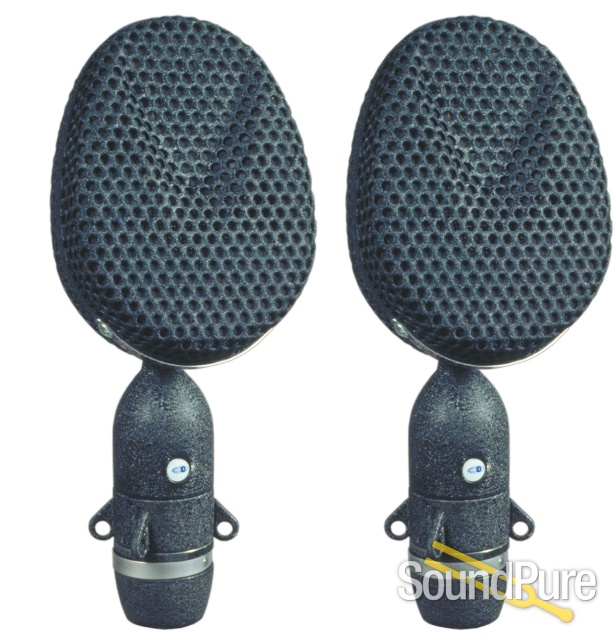
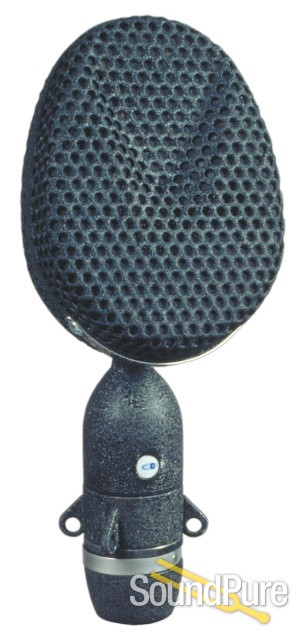
AEA R88 Stereo Ribbon Microphone Quick n' Dirty
In this video, Sound Pure pro audio expert Marc Kuzio reviews the AEA R88 Stereo Ribbon Microphone.

More
More
Hardware & Accessories
Sound Pure's Take
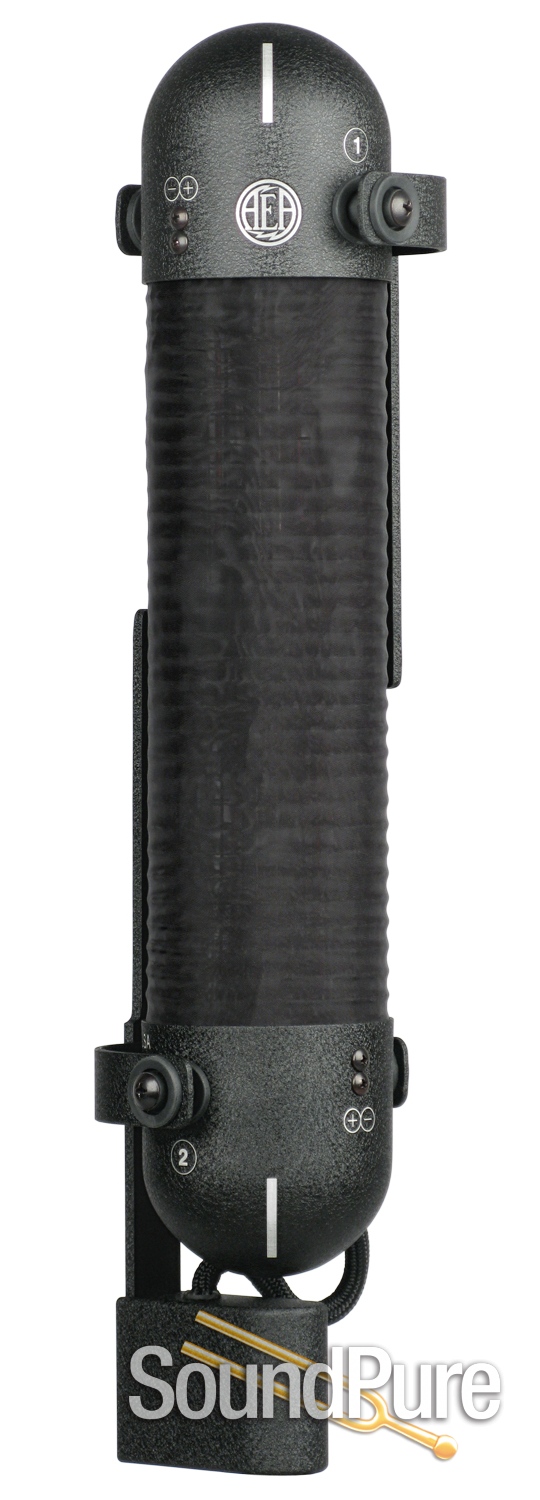
The R88 is a wonderful tool for the perfect "set-and-forget" 3-D stereo recording. After experimenting for a while, I've come to adore this mic for overheads; splitting the kit for smooth and surprisingly wide tracks that tame the crack of a snare and produce lush and flourishing cymbals. My favorite use for this, though, has been as a room mic. So many times I've recorded in rooms and smaller DIY studios that have had problematic rooms and sounds and this thing has been able to accommodate any scenario with rich results. The R88 has actually turned the room into sort of an instrument of its own. One thing I've enjoyed doing is finding the most reverberant spot in the studio or recording space and placing a guitar amp / singer / any source on the complete opposite end and projecting towards the mic. The result is capturing this wonderfully natural reverb that, when blended into the mix and hard panned, adds a sweet texture that never went to mute. The R88 really works FOR you and takes phase/mic placement out of the equation so you can focus on creativity and listening.
- Marc Kuzio, Pro Audio Specialist
*****
Made famous by its smooth, natural performance and making un-ideal-sounding home studio rooms sound close to 'the real deal,' the R88 is one of the most versatile, creative, and fun-to-use microphones out there. Being set in a phase-aligned blumlein pattern, you get the sonic benefit of a wide stereo image but without the hassle of managing two separate microphones. While it’s become a 'must have' for all of my drum sessions (either as a quick and easy single mic OH choice or as a lush room mic), the R88’s incredible sound and ease of use cause it to see tremendous use in the majority of our Sound Pure studio sessions.
From AEA
In the 1930s, EMI engineer Alan Blumlein invented stereo recording by demonstrating the natural reproduction of the soundstage at one of the Abbey Road studios in London, UK. Still today, his coincident recording technique using two figure-of-8 ribbons is the benchmark for producing an authentic representation of a performance in a room. The R88 mk2 stereo microphone is a true Blumlein recording system optimized for recording instruments and ensembles in stereo. It utilizes two of AEA’s signature Big RibbonTM elements angled at 90 degrees and mounted in close proximity to each other along the vertical axis of the microphone. The natural soundstage and character of the R88’s Blumlein stereo make it a great main mic. As an alternative to the Blumlein (XY) technique, the microphone can also be used for MS stereo, providing excellent mono compatibility and full control over the width of the stereo image. An excellent orchestral and choral recording microphone, it also shines on applications such as horn sections and drum overheads, thanks to the pure sound of two undamped long ribbons and the passive circuit without the headroom limitations of active electronics. The R88 accurately records complex tones such as woodwinds, strings and cymbals.Whether it’s at Abbey Road or in your home studio, the R88 mk2 puts the listener right there with the performers in the recording room.
The list of Grammy and Academy Award winning projects recorded with the help of the R88 mk2 microphone is long and keeps growing: Turtle Island String Quartet, Los Tigres Del Norte, Juanes MTV Unplugged, Life Of Pi soundtrack to name but a few. The matched Blumlein pair of ribbons packaged in a sleek black shell designed for quick setup delivers a great sound right off the bat, making it an excellent choice for remote recording setups. As a drum overhead or room pick-up microphone, it instantly captures a punchy, “larger than life” image that is particularly well suited for rock, roots, Americana, and jazz genres. Seasoned engineers like Joe Chiccarelli, Chuck Ainlay or Vance Powell trust the AEA R88 mk2 so much that Nashville’s world-class Blackbird Studios now has an R88 available for every single room in their facility.
At the heart of the AEA R88 are two big, 2.35" by 0.185" by 2 micron pure aluminum low-tension ribbon elements just like the one used in the classic R44. Many ribbon mic manufacturers choose shorter ribbons that are easier to install, but AEA’s Large Ribbon Geometry TM design offers important advantages. Ribbon microphones operate linearly above their resonant frequency, unlike condenser or moving-coil transducers, so the resonant frequency of a good ribbon microphone design should be as low as possible. The longer the ribbon, the lower the resonant frequency will be. The ribbon has to move twice as far for every drop in octave as it vibrates within the magnetic gap, thus a longer ribbon will allow for further movement back and forth. This results in the ribbon handling louder sound sources and more sound pressure level (SPL). Most AEA ribbons are tuned to just 16.5 Hz, and because the R88 shares the same Big Ribbon™ as the rest of AEA's product line, you will achieve a sound that is smooth, natural and free from any of the uncomfortable resonances that shorter ribbons and condensers can exhibit. The result is a sound that many engineers say is astonishingly close to what their ears hear when they are actually standing in the studio.
Includes custom hard case with padded interior for storage and shipping
Operating manual for proper care and usage.
Watch & listen
In this video, Sound Pure pro audio expert Marc Kuzio reviews the AEA R88 Stereo Ribbon Microphone.
Also in this recording Neumann U 47 FET Collectors Edition Bock Audio iFET Condenser Microphone Soyuz 017 FET Large Diaphragm Condenser Millennia HV-3R Digital 8 Channel Mic Preamp Shure Beta 181/C Ultra-Compact Side-Address Microphone Dunnett Classic 8x14 Magnesium Snare Drum Shure Beta 52A Kick Drum Microphone
In this video we present an LDC kick drum microphone shootout using the Neumann U47 FET, the Bock iFET and the Soyuz SU-019. Can you tell which one's which? If you are interested in hearing the results and/or getting ahold of the audio files from this shootout, give us a shout, we'd love to hear from you!
French Horn performed by Dylan Hart Videography and audio by Alex Chaloff (http://www.bucketsmovingcompany.com) INPUT LIST: Room Mic - R88 - D.A.V. BG1 PreampConverters: RME Fireface UFXDAW: Nuendo 4 @ 96k/24bit
"The Architect" performed by Josh Nelson Videography and audio by Alex Chaloff. INPUT LIST: Piano - R88 - DAV BG1 Preamp Converters: RME Fireface UFX DAW: Nuendo 4 @ 96k/24bit
Also in this recording AEA N8 NUVO Phantom Powered Ribbon Microphone
NPUT LIST:Fiddle - N8 - Edirol R44 PreampRoom Mic - R88 - Edirol R44 PreampConverters: Edirol R44DAW: Nuendo 4 @ 48k/24bit
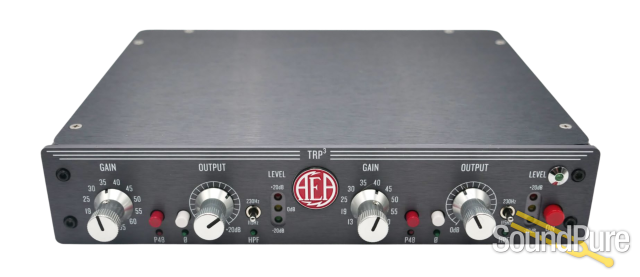
Also in this recording AEA N8 NUVO Phantom Powered Ribbon Microphone AEA RPQ Stereo Ribbon Preamp
INPUT LIST:Cello - N8 - Millennia PreampRoom Mic - R88 - RPQ PreampDAW: ProTools HD @ 96k/24bit
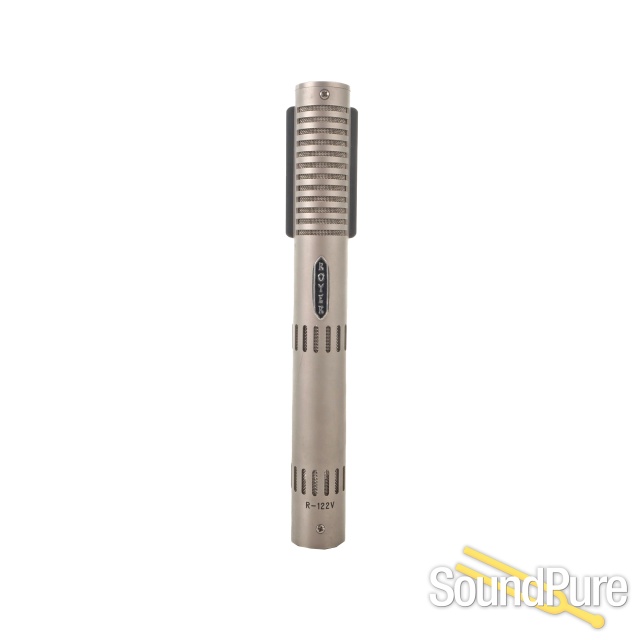
Also in this recording AEA N8 NUVO Phantom Powered Ribbon Microphone AEA R44 CE Ribbon Microphone
INPUT LIST:Kick - R44 - RPQ PreampOverheads - N8 (x2) - Millennia PreampRoom Mic - R88 - RPQ PreampDAW: ProTools HD @ 96k/24bit
In addition to the standard included manufacturer warranty, virtually all new products carry our exclusive, industry-leading, absolutely free Sound Pure 3-Year Warranty, which includes parts and labor. It's our way of adding real value to the personal touch our small, dedicated team brings to every purchase.
Coverage exclusions live in Terms & Conditions, Section 27. Read the warranty →

Sound Pure Studios · Durham, NC
Sound Pure is a working studio in Durham, NC — a 1,000 sq ft live room and two pro control rooms. Book a session to audition gear in a world-class acoustic space before you buy.